


Moving homes can be stressful, but a solid organizational strategy can transform it into manageable tasks. From sifting through possessions to acquiring packing materials, alerting utility providers, and lining up support, preparation can help alleviate stress. By taking these steps in advance, you can ease your burden later. If you want to take the effort and anxiety out of moving day, Checkmate Moving stands as a trustworthy partner. A professional service tailored to your needs can free up your energy and allow you to look forward to this exciting chapter in your life, instead of simply enduring it. This comprehensive guide to successful moving emphasizes proactive planning, quality tools, and mindfulness. It helps navigate common pitfalls and transforms challenges into opportunities for growth and adventure.
Plan and Stay Organized
A detailed moving plan is crucial for a smooth transition. Create a checklist or digital calendar to break tasks into smaller, achievable steps. Set a target date, organize the weeks ahead, book professional movers, reserve elevators, and coordinate with landlords or realtors. Centralize paperwork and contacts into one binder or digital folder. Assign clear responsibilities to avoid confusion and complete tasks without stress. This preparation reduces panic and increases confidence in completing essential tasks.
Declutter Before You Pack
Decluttering involves intentionality and clarity when starting a new phase of life. Sort through belongings, categorizing items for keeping, donating, selling, or recycling. Donate to local non-profits, host yard sales, or use online reselling platforms to give a second life to possessions and boost your moving budget. Discarding unnecessary items makes the moving process lighter, physically and emotionally, and allows for new memories and routines. This philosophy of minimalism improves packing efficiency, reduces moving costs, and starts with a clean slate in your new home.
Gather Quality Packing Supplies
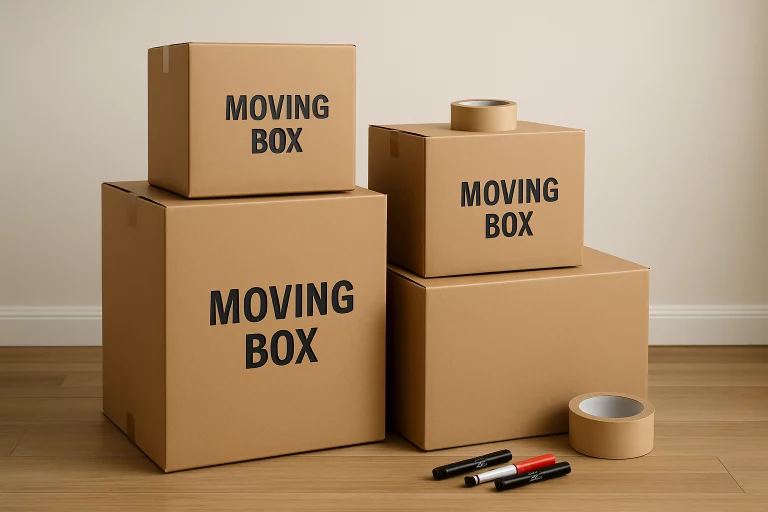
Packing supplies are crucial for the safety and security of your belongings during a move. Start with sturdy boxes, specialty items like dish packs, wardrobe boxes, and heavy-duty bins. Consider eco-friendly reusable plastic bins for added protection. Stock up on packing tape, bubble wrap, and paper to avoid last-minute runs—label boxes with the main contents and the destination room for easier unpacking. Use color-code labels or a numbering system for added efficiency. Quality materials protect your possessions and make the packing and unpacking more manageable.
Pack Strategically
To pack efficiently, start with the least frequently used items and gradually increase the essential areas. Group similar items, wrap breakables carefully, and double-box valuable items. Use small boxes for heavy items and fill empty spaces with clothes or towels. Keep an inventory using a notebook or a moving checklist app to track everything. Carry irreplaceable valuables personally, not in the moving truck.
Hire Reliable Movers or Recruit Help
Choosing the right moving company is critical to ensuring your relocation is as smooth as possible. Begin your research early and pay close attention to reviews, reputation, and years of experience. Contact several reputable movers for in-person or virtual estimates; ask for binding quotes and verify that the company is licensed, insured, and has a positive track record. If you plan to enlist friends and family or manage a DIY move, schedule your helpers and rental vehicles well in advance to avoid last-minute cancellations. Supplying helpers with refreshments, equipment, and a clear action plan makes the day less stressful and more productive for everyone involved. Early preparation and clear communication are the foundations of a successful, efficient move.
Prepare an Essentials Box
Your first night and morning in a new home can often be surprisingly hectic. To make this transition smoother, pack an essentials box or overnight bag that’s easily accessible among all the moving boxes. Include items such as toiletries, medications, phone chargers, bottled water, paperwork, pet supplies, snacks, basic kitchen gear like a kettle or coffee maker, and a change of clothes. Think of anything you’ll need before you fully unpack—cleaning wipes, toilet paper, a shower curtain, and bed linens are all common forget-me-nots. Keeping these necessities at hand lets you avoid frantically searching for basics after a long, tiring move, ensuring that these first hours in your new space feel welcoming and manageable instead of stressful and disjointed.
Notify Important Parties of Your Move
The administrative elements of relocation are just as vital as the physical move. Compile a comprehensive list of all entities that require your updated address: banks, credit card companies, insurance providers, employers, schools, subscription services, and any government agencies (such as the DMV or IRS). Notify them well before your move to avoid lapses in service or missed bills. Arrange for shut-off or transfer dates for utilities such as gas, water, electricity, and internet to coincide with your arrival at the new location. File a mail forwarding request with the postal service so important correspondence follows you. With these steps, you can prevent administrative headaches and ensure a seamless post-move transition—so you can focus on settling in rather than chasing down missing mail or disconnected utilities.
Take Care of Yourself During the Move
It’s easy to become so absorbed in logistics that you forget about your well-being. Yet moving is physically demanding and emotionally taxing, making self-care essential. Stay nourished with balanced meals, drink plenty of water, and pause regularly for breaks—especially during heavy lifting or stressful moments. Try to get a restful night’s sleep before and after your move. Expect minor hiccups and tackle them with patience and flexibility rather than frustration—adaptability is key to a less stressful move. Encourage a positive mindset by celebrating small accomplishments throughout the journey and acknowledging your progress. Treat the move not just as a practical relocation but as an opportunity for personal growth and new beginnings. By investing just as much effort into your well-being as your logistics, you’ll arrive at your new home energized, focused, and ready to start fresh.
To summarize, a successful move is about transporting objects and preparing yourself, your belongings, and your life for a significant transition. By marrying comprehensive organization, top-notch supplies, emotional mindfulness, and trusted resources, your next relocation can become a rewarding journey rather than a stressful ordeal. Start planning early, implement these proven strategies, and you’ll be well on your way to making your next move easier—and your new start even brighter.

Used Powder Coating Equipment for Sale: How to Build a Finishing System That Fits
Key Takeaways Manufacturers searching for used powder coating equipment for sale often need more than an available oven, booth, or conveyor. They…
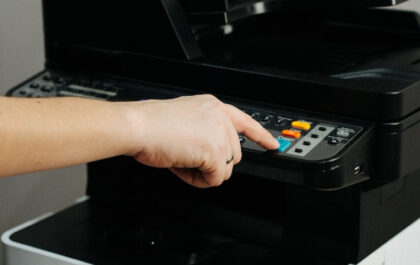

How Modern Copiers Are Revolutionizing Office Efficiency
Key Takeaways Today’s rapidly evolving offices demand seamless workflows and robust solutions that keep teams productive. As businesses strive to…