


After a car accident in Nevada, the aftermath can be both overwhelming and confusing. Your immediate actions at the scene and in the days that follow can significantly impact your physical, emotional, and financial recovery. Understanding what to do—and what not to do—can help you navigate the challenges ahead, reduce stress, and protect your legal rights. For anyone uncertain about the proper steps following a crash, blakefriedmanlaw.com provides resources and guidance to help you move forward safely and confidently.
Even minor mistakes after an accident can have lasting consequences. The law in Nevada is very clear about the responsibilities of all drivers following a crash, and failing to comply can result in legal, financial, and personal repercussions. Avoiding these common pitfalls not only preserves your ability to file a strong claim but also helps ensure you receive the full compensation and support you deserve.
Taking a few critical steps—such as contacting law enforcement, seeking immediate medical attention, and documenting every detail—can make a significant difference. State laws impose strict requirements following an accident, and documentation often serves as irreplaceable evidence during insurance or legal proceedings.
Failing to follow the proper process can result in missed opportunities for appropriate medical care, overlooked damage compensation, or even unexpected legal trouble. Most importantly, your choices impact your recovery and peace of mind.
Leaving the Scene
Leaving the scene of a car accident is not only irresponsible but also illegal in the state of Nevada. Whether or not you believe the incident is minor, the law requires you to stay, exchange information, and wait for the authorities. Departing prematurely can result in severe penalties, including misdemeanor or felony charges, especially if injuries or significant property damage occurred. Staying protects your legal standing and ensures victims receive the necessary aid and information.
Understanding the requirements of Nevada Revised Statutes (NRS) can make a significant difference; you may be held liable or disqualified from compensation if you fail to comply. Learn more about Nevada’s car accident reporting laws to stay on the right side of the law from the beginning.
Not Calling the Police
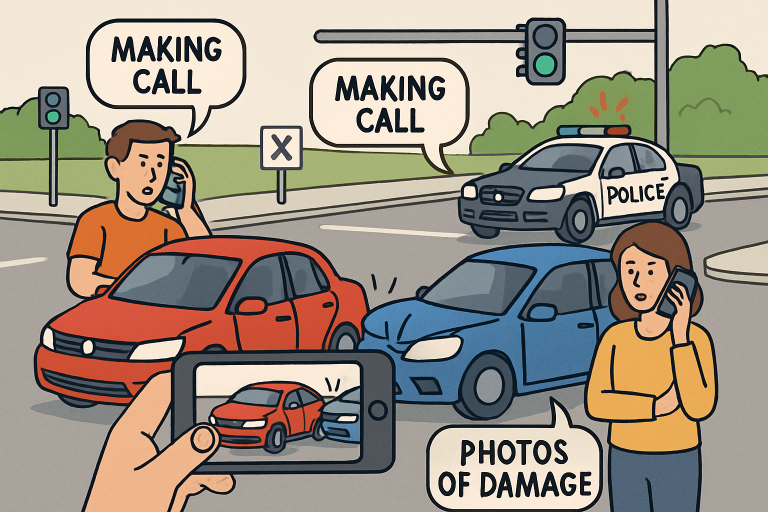
Even in fender-bender scenarios, consistently report the crash to the police. An official police report documents what happened, who was involved, and provides neutral evidence crucial for insurance or court cases. Nevada law requires you to file a report for any accident involving injury, death, or more than $750 in property damage. Additionally, a police report helps prevent disputes about the accident’s details and can expedite the claims process.
Without this documentation, you risk claims being denied or underpaid—and potentially open yourself up to allegations of fault that you cannot respond to adequately.
Admitting Fault
After a crash, emotions and adrenaline may prompt you to apologize or accept blame. Hold back. Nevada follows a comparative negligence system, and any admitted fault—no matter how minor—can substantially reduce your compensation. Stick to factual statements only with the police and other drivers. Let investigators decide liability as the evidence unfolds.
Casual remarks like “I’m sorry” can be misconstrued as admissions of guilt, weakening your case during negotiations or in court. Always be polite but cautious about what you say at the scene.
Failing to Seek Medical Attention
It’s common for accident victims to underestimate their injuries due to shock or adrenaline. Always seek prompt medical evaluation, even if you feel fine. Specific issues, such as whiplash or internal injuries, may not arise until hours or days later. Quick medical attention not only protects your well-being but also establishes a clear link between the accident and your injuries for any subsequent insurance claims or legal actions.
If you delay getting checked, insurers may question the legitimacy of your injuries or suggest they resulted from something else. Medical records created right after the incident are vital evidence should your case become contentious.
For a deeper understanding of injury symptoms that arise after a crash, see this WebMD resource on what to watch out for after an accident.
Neglecting to Document the Scene
Thorough documentation arms you with crucial evidence. Take both wide-angle and close-up photos of all vehicles, visible damage, street signs, traffic signals, skid marks, weather conditions, and any injuries. Collect names and contact details for other drivers and witnesses, and ensure you leave the scene with a copy of the police report number or citation details. These items all serve as evidence if you need to challenge an insurance denial or defend against legal claims.
Smartphones make it easier than ever to quickly gather images and notes. The more documentation you have, the stronger your position will be in any future proceedings.
Accepting an Early Settlement
Following an accident, insurance adjusters may pressure you to accept an early settlement. While cash in hand might seem appealing, initial offers rarely cover all costs: future medical expenses, lost wages, pain and suffering, and repairs. Before agreeing to any amount, consult with a legal professional who can accurately value your claim and protect your rights. It often takes time to assess the full extent of your injuries and damages, so avoid accepting offers before you know what is needed for your full recovery.
Settling too soon or without legal guidance can lead to lifelong financial strain. For more insights into why patience matters, review guidance from Forbes Advisor’s guide to car accident insurance claims.
Posting on Social Media
Social media habits can jeopardize your accident claim. Insurance companies and opposing attorneys scrutinize online posts for evidence that contradicts your account of injuries or the accident. Avoid sharing accident details, medical status, or statements about what happened. Instruct friends and family to refrain from tagging or posting about you if possible.
Even innocuous photos or status updates can be taken out of context to undermine your case. Until your claim is fully resolved, exercise caution and privacy in all online activities.
Conclusion
The steps you take after a Nevato gather images and notes quickly affect your health, your rights, and your financial future—or put them at risk. By staying at the scene, promptly notifying the authorities, seeking medical attention, gathering evidence, consulting with legal expertise, and refraining from posting online, you can avoid the most common mistakes drivers make in these stressful situations. Proper preparation and awareness place you in the best position to recover fully, move forward after an accident, and ensure justice is served.

Batch Mixing Basics for Iowa Manufacturers: Improve Consistency, Reduce Waste, and Protect Product Quality
Key Takeaways Across Iowa’s feed, seed, food, fertilizer, and bulk-material operations, a reliable batch mixer can make the difference between…


How to Choose the Right Neighborhood in Santa Fe, New Mexico
Key Takeaways Table of Contents Why Neighborhood Fit Matters in Santa Fe Choosing a home in Santa Fe, New Mexico,…