

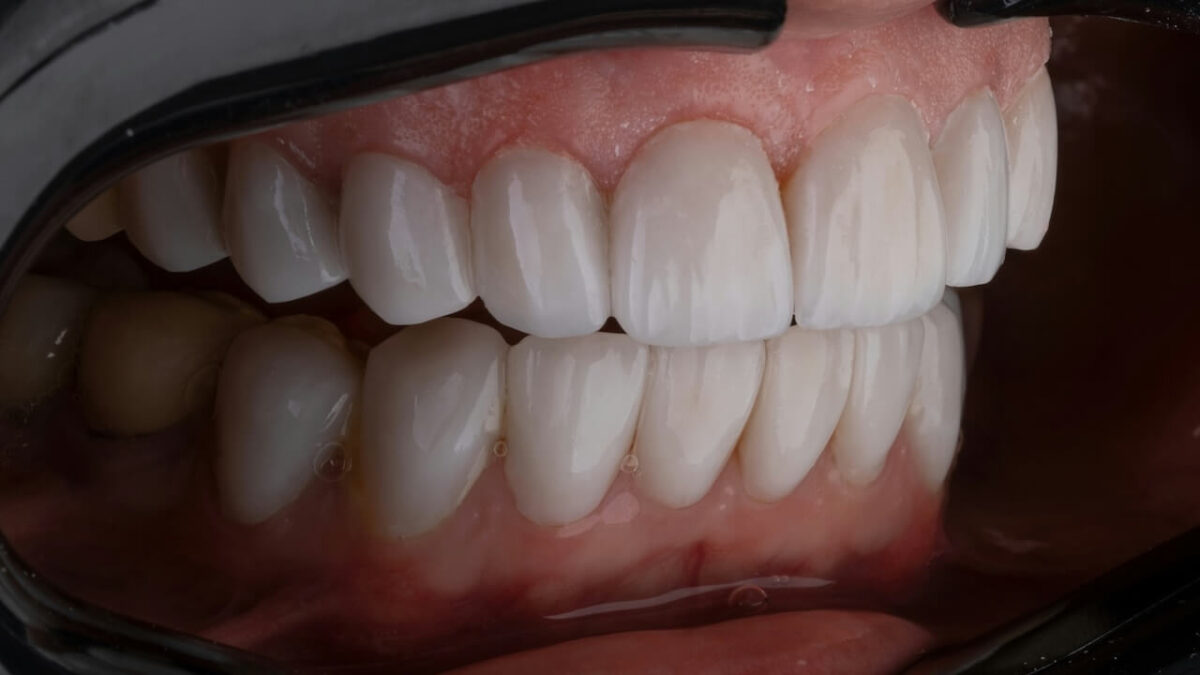
Table of Contents
- Myth 1: Whitening Toothpaste Can Dramatically Whiten Teeth
- Myth 2: Natural Remedies Are Safe and Effective
- Myth 3: Professional Whitening Damages Enamel
- Myth 4: Over-the-Counter Products Are as Effective as Professional Treatments
- Myth 5: Once Whitened, Teeth Stay White Forever
- Myth 6: All Teeth Whitening Methods Are Safe
- Myth 7: Whitening Works on All Dental Restorations
- Myth 8: Teeth Whitening Is Suitable for Everyone
- Conclusion
Everyone longs for a radiant, confident smile. The dental aisle is filled with products, and the internet is overflowing with advice on achieving sparkling white teeth. Unfortunately, not all whitening solutions are made equal. Some widely accepted beliefs about teeth whitening can lead to irreversible dental problems. Knowing the facts and consulting with a reputable dental professional, such as those at dentistsofhinsdalelake.com, is essential before starting any whitening regimen. Protecting your natural enamel and maintaining long-term oral health should always take priority over quick fixes.
Misconceptions about whitening treatments span everything from the effectiveness of over-the-counter products to the safety of at-home natural remedies. These myths not only generate confusion but can damage teeth and gums when followed without expert supervision. Understanding what actually works will empower you to make safe decisions about your dental care. While marketing claims and social media trends may sound convincing, dental science tells a different story. It’s important to have your teeth evaluated before starting any whitening regimen, as certain treatments can aggravate underlying dental issues. Your dentist will help identify the underlying causes of discoloration and determine the safest options for you. This guide exposes the most persistent teeth whitening myths. By separating fact from fiction, you can preserve the beauty and health of your smile for years to come.
Myth 1: Whitening Toothpaste Can Dramatically Whiten Teeth
It’s easy to believe that the whitening toothpastes advertised so frequently will transform your teeth by several shades. However, these products are formulated to remove only surface stains through mild abrasives or chemicals. They do not change the intrinsic color of your teeth. For those seeking a dramatic improvement, professional whitening supervised by a dentist is necessary.
Myth 2: Natural Remedies Are Safe and Effective
From rubbing fruit on teeth to brushing with baking soda, so-called natural remedies are everywhere online. While these approaches seem innocent, many are dangerous. Citrus fruits like lemons are highly acidic, wearing away protective enamel and increasing sensitivity. Baking soda, though popular, is abrasive and can erode enamel if used frequently. These practices may offer short-term brightness but at the expense of increased tooth sensitivity and a higher risk of decay.
Myth 3: Professional Whitening Damages Enamel
Some patients avoid professional whitening, fearing that it is harmful to tooth enamel. When performed under the supervision of licensed dental professionals, these treatments use safe concentrations of bleaching agents that do not damage tooth structure. Dentists customize treatments to minimize sensitivity and monitor oral health, ensuring effective results without risking your smile.
Myth 4: Over-the-Counter Products Are as Effective as Professional Treatments
Drugstore strips and trays are accessible and less expensive, but they cannot match the strength and custom fit of dentist-dispensed treatments. Professional solutions contain a higher concentration of whitening ingredients, which means they can tackle deep, persistent stains and deliver more noticeable, even results. Incorrect or excessive use of over-the-counter kits can cause gum irritation, patchy whitening, and increased tooth sensitivity.
Myth 5: Once Whitened, Teeth Stay White Forever
Many people believe that whitening is a one-time fix. In reality, lifestyle choices such as smoking, drinking coffee or red wine, and consuming deeply pigmented foods will gradually stain teeth again even after whitening treatments. Regular dental cleanings, good at-home hygiene, and occasional touch-ups are essential for maintaining lasting brightness.
Myth 6: All Teeth Whitening Methods Are Safe
The rise of DIY whitening kits and social media advice has made it easier to fall into unsafe habits. Not all whitening products are regulated equally, and misuse can lead to gum burns, enamel erosion, and persistent tooth pain. Consulting a dental professional is your best safeguard against such risks, ensuring that the products and the method are suitable for your unique needs and oral health status.
Myth 7: Whitening Works on All Dental Restorations
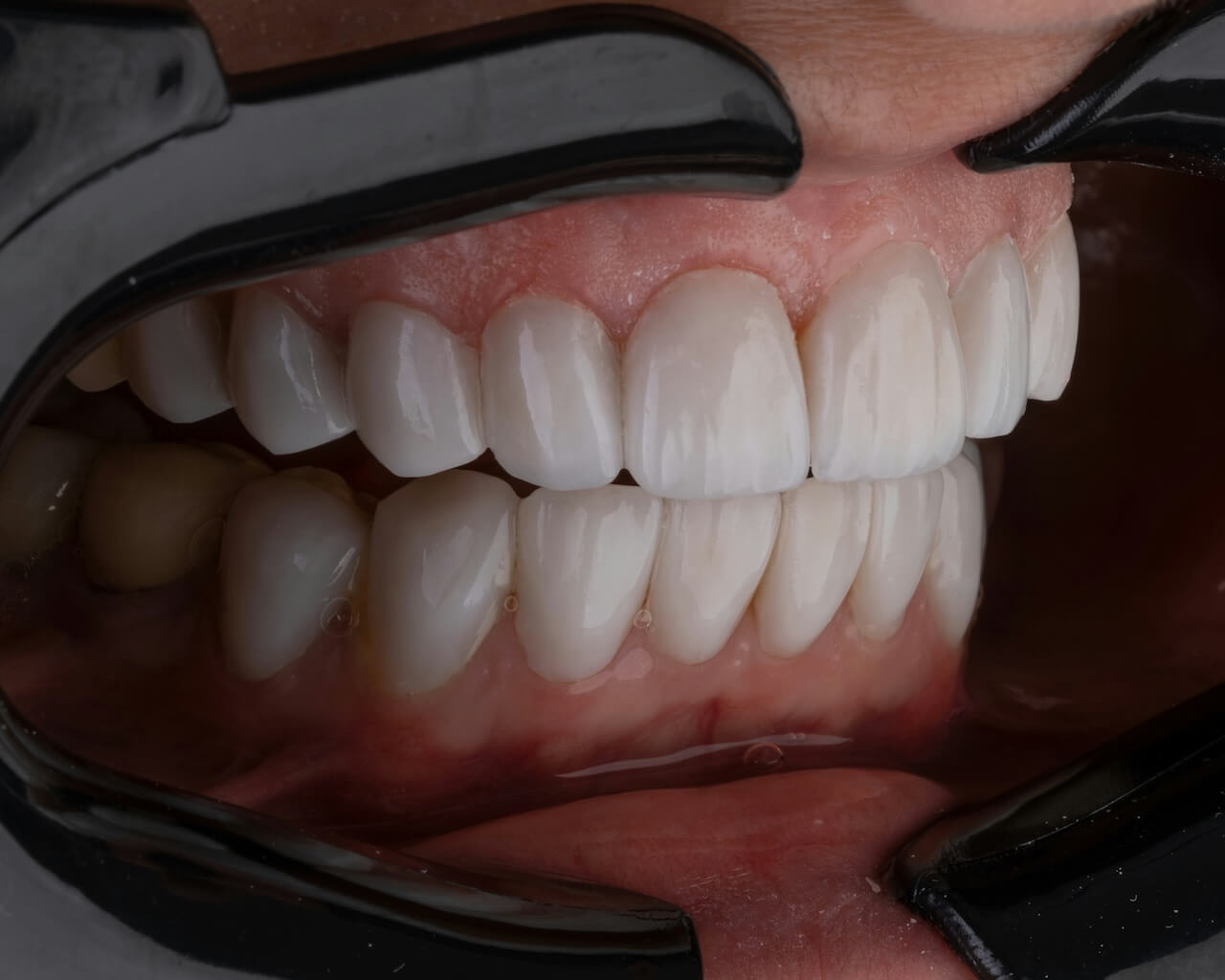
Crowns, veneers, bridges, and fillings are made from materials that cannot be whitened. Only natural tooth enamel responds to bleaching agents. If you have visible restorations, whitening your teeth could result in uneven coloring. Your dentist will assess your mouth and recommend the best way to achieve a harmonious, natural smile.
Myth 8: Teeth Whitening Is Suitable for Everyone
Teeth whitening is not a universal solution. People with untreated cavities, gum disease, sensitive teeth, or extensive dental work may not be ideal candidates. Children, pregnant women, and those allergic to bleaching agents should avoid whitening treatments unless specifically approved by a dental professional. Consultation is necessary to ensure the safety and effectiveness of any approach.
Conclusion
Myths surrounding teeth whitening can have serious long-term impacts on your dental health. Being aware of these misconceptions and prioritizing the advice of experienced dental professionals is the best way to achieve and maintain a beautiful smile safely. Remember that no single whitening treatment is perfect for everyone, and a personalized approach is always best. When in doubt, trust your dentist to help you navigate the many options available and select the method that protects both your smile and your well-being.

10 Mistakes To Avoid After A Car Accident In New Jersey
Table of Contents Car accidents can be stressful and confusing, especially on New Jersey’s busy roadways. Knowing what to do…

Relocating to Portland, Maine: A Comprehensive Neighborhood Guide
Key Takeaways Relocating to Portland, Maine, offers a unique blend of coastal charm, vibrant culture, and diverse neighborhoods. Choosing the…