

Key Takeaways
- Insurance companies often use calculated strategies to minimize claim payouts.
- Understanding your rights and the claims process is vital for fair compensation.
- Professional legal support can help counter undervaluation and protect your interests.
- Claimants must document losses carefully and remain cautious about initial settlement offers.
Table of Contents
- Why Do Insurance Companies Undervalue Claims?
- Common Tactics Used by Insurers
- Signs Your Claim Is Being Undervalued
- The Real Impact of Undervalued Claims
- How to Counter Undervaluation
- The Importance of Legal Representation
- Further Resources and Assistance
The process of filing a personal injury claim often feels daunting, especially when insurance companies are involved. While their role should be to provide fair compensation, the reality is that insurers frequently deploy strategies that significantly undervalue legitimate claims. Understanding how this happens is crucial for anyone pursuing compensation after an injury. For individuals navigating the complex process of seeking damages, working with experienced law firms like Sattiraju & Tharney, LLP can make a substantial difference in the outcome of their claim.
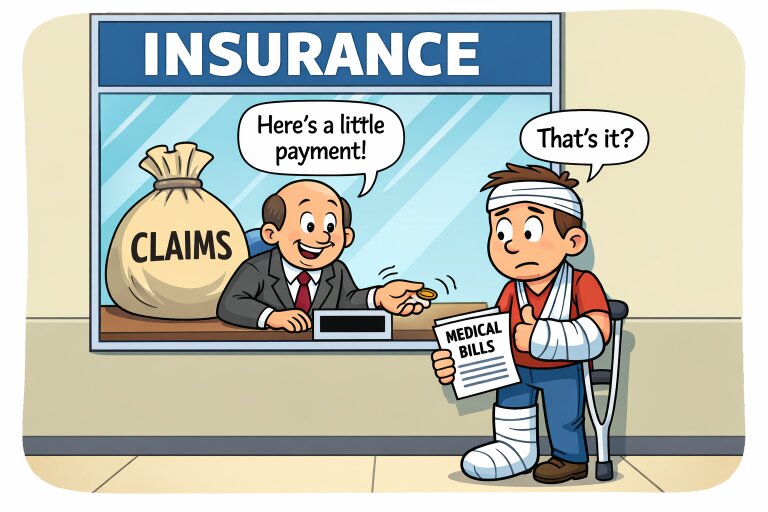
Insurance companies have a vested interest in minimizing claim payouts. As a result, many injured parties receive offers that do not truly reflect their losses, including medical expenses, lost wages, and personal suffering. Policyholders need to recognize common tactics used by insurers, so they can respond effectively and secure the compensation they deserve.
Being aware of these strategies and the resources available for claimants can help level the playing field. Empowering yourself with information not only protects your rights but also ensures the insurance company upholds its responsibilities. This guide explores the reasons behind undervaluation, highlights the red flags to watch for, and offers practical steps to counteract these practices.
Settling for an initial insurance offer may result in inadequate funds for ongoing care, rehabilitation, and future hardships. Educating yourself on this topic is vital to avoid being left with a financial burden that should justly fall on the insurer. You can further bolster your understanding by consulting resources from major publications like ABC7 New York, which investigates how these tactics impact claimants across the country.
Why Do Insurance Companies Undervalue Claims?
The insurance industry is designed to be profitable. Insurers collect more in premiums than they pay out in claims, which incentivizes minimizing payouts whenever possible. Claims adjusters are trained to scrutinize every aspect of a case, looking for opportunities to challenge the extent of injury, the necessity of treatment, or the responsibility. This sometimes leads insurers to offer significantly less than the true value of a claim, betting that some policyholders will accept quick settlements out of necessity or lack of knowledge.
Common Tactics Used by Insurers
Insurers frequently employ a range of strategies to reduce the payout on personal injury claims. They may delay investigations in hopes that claimants will become frustrated and accept less favorable settlements. Another method involves disputing the severity of injuries or attributing them to pre-existing conditions. Adjusters might also downplay the necessity of specific medical treatments or suggest that injuries are exaggerated. Aggregating small reductions at every stage can result in a large overall undervaluation.
Signs Your Claim Is Being Undervalued
There are several red flags to watch for if you suspect your claim is being undervalued. These include fast, low-ball settlement offers, requests for excessive documentation unrelated to your injuries, or misrepresentation of policy limits. Other warning signs include an insurer discouraging you from seeking medical or legal advice, or challenging standard medical treatments recommended by your doctor. Being aware of these signs can help you respond proactively before accepting an unfair offer.
The Real Impact of Undervalued Claims
When claims are undervalued, injured parties can face significant financial burdens. Medical bills, ongoing treatments, lost wages, and rehabilitation costs can quickly escalate. If an insurance payout is inadequate, the claimant may end up responsible for the difference, jeopardizing their financial future. Undervalued claims can also undermine recovery by forcing individuals to forgo necessary treatments or physical therapy, ultimately compromising their long-term health.
How to Counter Undervaluation
Thorough documentation of injuries, treatments, and both economic and non-economic losses is essential when fighting undervaluation. Maintain organized records of medical visits, receipts, and any communication with the insurer. Consult with your medical providers to ensure all injuries are properly documented. When you receive an offer, review it carefully and do not hesitate to push back if it does not reflect your actual losses. It is also valuable to research similar cases and leverage state-level patient advocacy resources like those outlined in this New York Department of Financial Services circular.
The Importance of Legal Representation
Experienced personal injury attorneys understand the methods insurers use to reduce payouts and can offer crucial support in negotiations. Lawyers can accurately value your claim, gather evidence, and deal directly with the insurer on your behalf. Legal assistance not only improves your chances of a fair settlement but can also deter insurers from employing aggressive or unethical settlement tactics.
Further Resources and Assistance
The path to fair compensation following a personal injury is filled with challenges, especially when facing resistance from insurance companies. Understanding your rights, being vigilant about the process, and seeking professional advice are the best defenses against undervaluation. Explore formal guidance from your state insurance department or consult with a trusted attorney to ensure your interests are protected throughout the claims process. For a detailed overview of insurance industry practices, review recent investigative reports from established media sources.
How Insurance Companies Undervalue Personal Injury Claims
How Insurance Companies Undervalue Personal Injury Claims
Key Takeaways Table of Contents The process of filing a personal injury claim often feels daunting, especially when insurance companies…

Precision from the Ground Up: The Critical Role of Property Surveys in Utah Development
Building in the Beehive State offers a unique set of rewards and challenges. From the dramatic slopes of the Wasatch…