

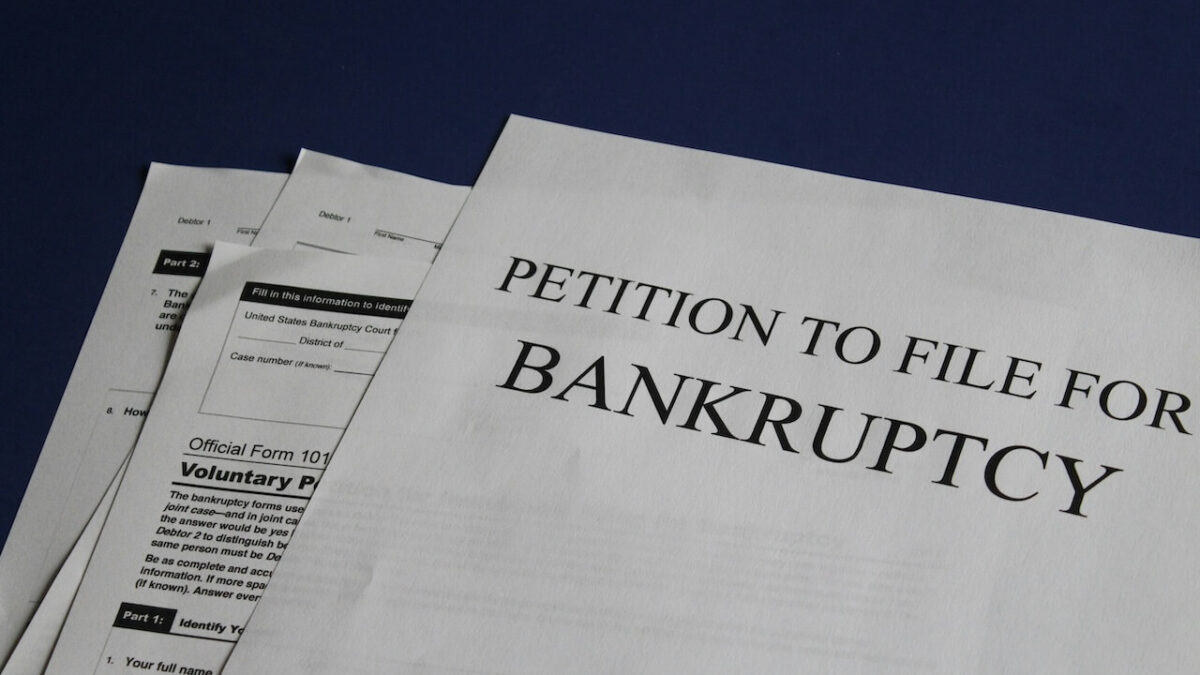
Navigating financial distress is one of the most taxing experiences an individual or business owner can face. When debts become unmanageable due to medical emergencies, job loss, or economic shifts, legal intervention often becomes the most viable path toward a fresh start. A bankruptcy lawyer in Utah serves as a critical guide through the federal court system, ensuring that residents can take full advantage of state-specific protections while adhering to the complex requirements of the U.S. Bankruptcy Code.
Why You Need a Bankruptcy Lawyer in Utah
Filing for bankruptcy is not merely a matter of submitting paperwork. It is a strategic legal process where timing and accuracy dictate the outcome. Utah has specific laws regarding which property you can keep, known as exemptions. Unlike some states that allow you to choose between federal and state exemptions, Utah requires residents who have lived in the state for at least two years to use Utah state exemptions.
A bankruptcy lawyer in Utah provides several essential services:
- Stopping Creditor Harassment: Once a petition is filed, an automatic stay goes into effect. This legally prevents creditors from calling you, sending collection letters, or continuing with wage garnishments and foreclosures.
- Maximizing Asset Protection: An attorney identifies which of your assets are exempt under Utah Code Section 78B-5-505, such as a portion of your home equity, your primary vehicle, and necessary household goods.
- Determining Eligibility: Through the means test, a lawyer calculates whether your income qualifies you for Chapter 7 or if a Chapter 13 repayment plan is required.
- Preventing Case Dismissal: Errors in financial disclosures or missed deadlines can lead to a judge dismissing your case without discharging your debt. Professional legal oversight minimizes this risk.
Common Types of Bankruptcy for Utah Residents
Most individuals seeking the help of a bankruptcy lawyer in Utah will file under either Chapter 7 or Chapter 13. Each has distinct advantages depending on your income level and your goals regarding asset retention.
Chapter 7 Bankruptcy: The Fresh Start
Often referred to as liquidation bankruptcy, Chapter 7 is designed for those with limited income and significant unsecured debt, such as credit card balances and medical bills. In this process, a court-appointed trustee evaluates your non-exempt assets to see if anything can be sold to pay back creditors. However, most Utah filers find that the majority of their personal property is exempt.
Chapter 13 Bankruptcy: Debt Reorganization
Chapter 13 is frequently chosen by individuals who earn too much to qualify for Chapter 7 or those who are facing foreclosure on a home. This chapter allows you to keep your property by creating a three-to-five-year repayment plan to catch up on missed payments and satisfy a portion of your unsecured debt. A bankruptcy lawyer in Utah is vital here to negotiate a plan that the court will confirm and that you can realistically afford.
Utah Bankruptcy Exemptions and Protecting Your Property
Understanding what you can keep is the primary concern for most people considering bankruptcy. Utah’s exemption laws are specific and updated periodically. As of 2026, these are some of the key protections available to those filing in the Beehive State:
- Homestead Exemption: This protects equity in your primary residence. For a single filer, the exemption is approximately $43,000, and it doubles to $86,000 for married couples filing jointly.
- Motor Vehicle Exemption: You can generally protect up to $3,000 in equity for one vehicle used for daily transport.
- Household Goods: Utah allows exemptions for specific items like one washer, one dryer, a refrigerator, a stove, and up to $1,000 in other furniture and animals.
- Tools of the Trade: If you use specific tools or a vehicle for your profession, you may be able to exempt up to $5,000 in value for those items.
- Retirement Accounts: Most ERISA-qualified retirement plans, such as 401(k)s and IRAs, are fully protected from creditors in a Utah bankruptcy.
The Process of Working with a Bankruptcy Lawyer in Utah
The journey toward debt relief typically begins with an initial consultation. During this meeting, your attorney will review your income, expenses, assets, and the nature of your debt.
- Credit Counseling: Before filing, you must complete a credit counseling course from an approved agency. Your lawyer will provide a list of authorized providers.
- Gathering Documentation: You will need to provide tax returns for the last two years, pay stubs for the last six months, and a comprehensive list of all creditors and assets.
- Filing the Petition: Your lawyer will prepare the formal petition and schedules. These are filed with the U.S. Bankruptcy Court for the District of Utah, located in Salt Lake City or heard via video in St. George.
- The Meeting of Creditors: About 30 days after filing, you will attend a 341 meeting. Your lawyer will be by your side while the trustee asks basic questions about your financial history.
- Discharge: In a Chapter 7 case, you typically receive your discharge notice within four to six months. In Chapter 13, the discharge occurs after the successful completion of your repayment plan.
Navigating 2026 Economic Challenges in Utah
As we move through 2026, Utah residents continue to face unique economic pressures. While the state’s economy remains robust in sectors like technology and tourism, the high cost of housing and persistent inflation have pushed many households to their financial limits. A bankruptcy lawyer in Utah understands these local trends and how they impact the bankruptcy court’s view of reasonable and necessary expenses.
For instance, if you are struggling with medical debt, you are not alone. It remains one of the leading causes of filings in the state. Recent updates to the bankruptcy code have also made it slightly easier to manage certain types of older tax debt or even seek a discharge for student loans under specific hardship circumstances. Your attorney will be able to evaluate if these newer provisions apply to your situation.
Selecting the Right Legal Representation
Choosing a bankruptcy lawyer in Utah is a personal decision that should be based on experience, transparency, and communication. You should look for a firm that focuses primarily on bankruptcy law, as this ensures they are up to date on the latest local court rules and trustee preferences.
A good attorney will not just fill out forms; they will provide a comprehensive strategy for your financial recovery. This includes advice on how to rebuild your credit after the discharge and how to manage your finances to avoid future debt traps. Most Utah bankruptcy firms offer flat-fee arrangements for Chapter 7 cases and can often build their fees into the Chapter 13 repayment plan, making professional legal help accessible even when funds are tight.
Taking the first step toward filing for bankruptcy can be intimidating, but it is often the most responsible choice for those who want to regain control of their future. With the right legal partner, you can navigate the complexities of the Utah court system and move toward a life free from the weight of unmanageable debt.

The Science of a Thriving Estate: Integrating Organic Garden Fertilizer and Expert Utah Landscaping
Creating a luxury outdoor environment in the Intermountain West requires more than just a green thumb and a weekend at…

The Benefits of Vehicle Upgrades for Daily Life and Travel
Key Takeaways Enhancing your vehicle with thoughtful upgrades can truly transform your everyday driving experience, regardless of whether you are…