

Key Takeaways
- Assess the site and decide how the cleared space will be used.
- Choose between stump grinding and full removal based on future plans.
- Restore soil and correct drainage before replanting.
- Choose grass, ground cover, or plants suited to the site’s conditions.
- Avoid common issues such as settling, poor drainage, and planting in the old stump cavity.
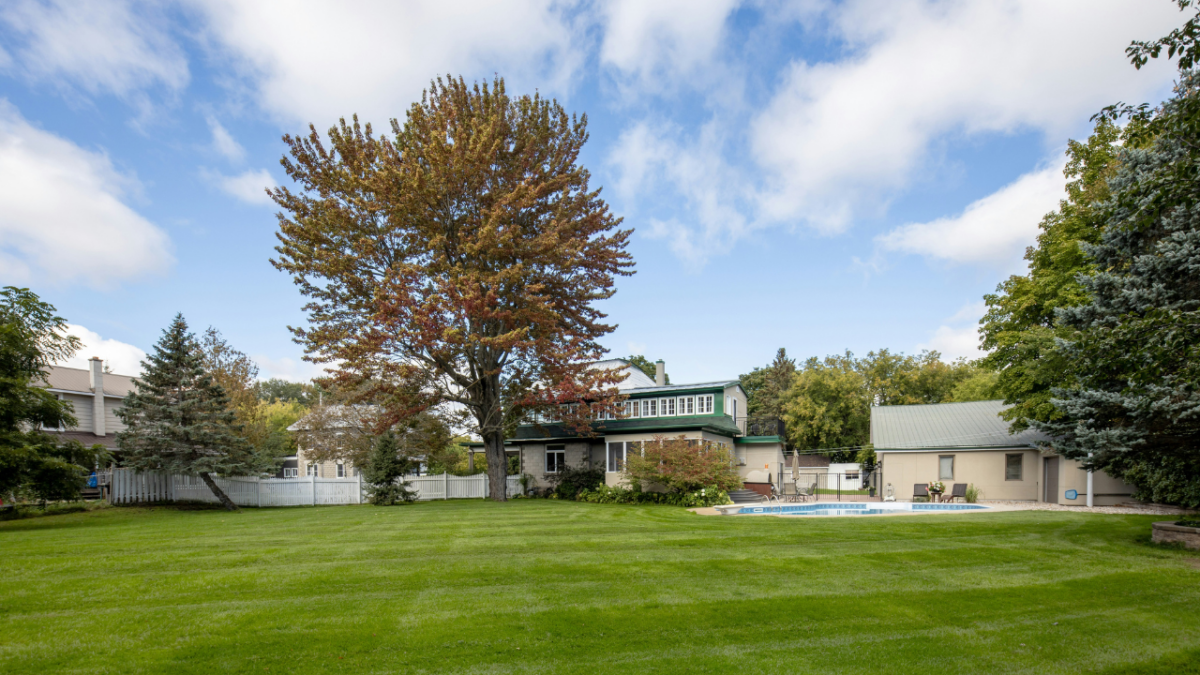
Removing a tree can make a Fort Mill, South Carolina, yard feel brighter and more open, but the work is not finished when the trunk is gone. The remaining stump, roots, wood chips, uneven grade, and exposed soil all affect what comes next. Whether the goal is a smooth lawn, a fresh planting bed, or a safer open area, arranging stump grinding in Fort Mill, SC, is often an important step in turning a recently cleared spot into a usable landscape.
Fort Mill properties can experience heavy rain, warm growing seasons, and compacted soils that make grading and drainage especially important after tree work. A thoughtful reset helps prevent puddles, soil compaction, bare patches, and planting problems later. Start by deciding how the space needs to function for the household, then prepare the ground for that purpose.
Start With a Simple Site Check
Walk the area before adding soil, seed, or mulch. Look for surface roots, trunk remnants, loose limbs, low spots, and signs of soft or unstable ground. Note the location of fences, irrigation heads, walkways, patios, utility lines, and nearby shrubs. The reason for removal also matters. A tree removed after storm damage warrants a different review than one removed due to decline, insects, disease, or poor placement.
Think beyond the empty patch. It may become a lawn, a flower bed, a path, a seating area, or a future tree location. Making that decision first prevents wasted effort, such as filling a stump depression with expensive topsoil only to excavate it again for a garden project.
If the remaining tree or stump area still requires splitting wood, removing dangerous limbs, or managing unstable material, professional hazardous tree cutting services can help mitigate risk before landscaping begins.
Choose the Right Stump Option
There is no single stump solution for every Fort Mill property. The best choice depends on access, future plans, and how close the stump is to areas used by people, pets, or mowing equipment.
- Leave it in place: This may be workable when the stump is far from traffic and will not interfere with mowing or planting.
- Allow natural decay: This can be a low-intervention choice, but decay takes time, and the stump may continue to attract insects or create an obstacle.
- Grind below grade: Grinding removes the visible obstacle and makes it easier to restore the lawn or create a bed above the former stump.
- Remove the stump and major roots: Full removal is more disruptive, but may be appropriate when excavation, hardscaping, drainage work, or a new structure is planned.
Stump grinding and complete stump removal are different services. Grinding generally addresses the stump near the surface, while full removal involves deeper digging and more root extraction.
Check for Hidden Safety Concerns
A clean-looking site can still contain hazards. Keep children and pets away from active cutting or grinding work, and do not dig until underground utilities have been identified. Decaying roots can leave weak areas below the surface, especially near a former large tree.
Skip fire, fuel, and improvised chemical methods for stump destruction. They can create safety, soil, and fire concerns. Chainsaw work also deserves caution. The CDC notes that approximately 36,000 people receive emergency-department treatment for chainsaw injuries each year, which is a strong reason to leave complex cutting and unstable wood to trained operators.
Repair the Soil Before Replanting
Fresh stump grindings are not the same as finished topsoil. Remove excess chips from areas intended for turf or new plants, then fill the space with suitable soil. Bring the grade slightly above the surrounding lawn because buried roots and wood can decompose over time, causing the ground to settle.
After a Fort Mill downpour, inspect the spot for standing water. Correcting a low area before installing sod, seed, mulch, or plants is far easier than repairing a soggy lawn later. Compost may be useful when it fits the needs of the existing soil, but it should not replace proper grading.
Restore Grass and Ground Cover
- Clear away loose chips, roots, and larger pieces of wood.
- Add clean soil and shape the surface slightly higher.
- Rake the area smooth without packing it tightly.
- Choose seed or sod based on sunlight, season, and expected foot traffic.
- Water consistently while the new grass establishes.
- Recheck the grade over the following months and add soil as needed if settling occurs.
Grass is not the only option. Mulch and shade-tolerant ground cover can work well beneath established trees, while a small planting bed may be easier to maintain in a heavily shaded corner. Fresh wood debris mixed into planting soil can complicate establishment, so keep lawn roots and new plant roots in soil rather than a deep layer of grindings.
Plan Carefully Before Planting a New Tree
A replacement tree often performs better near the old location rather than directly in the former stump cavity. Remaining roots, altered soil structure, and wood debris can limit rooting space. Guidance on planting a new tree near the former stump recommends choosing a new location when possible.
Before selecting a species, consider mature height and width, overhead wires, sidewalks, driveways, buildings, property lines, sun exposure, and drainage. If the removed tree had a confirmed pest or disease issue, avoid repeating the same mistake by choosing a replacement suited to the site and the cause of the original loss.
Decide How to Use the Cleared Space
A former tree location can become a useful part of the yard. Consider one of these practical options:
- Repair the lawn for a more open play or gathering area.
- Create a flower bed that matches the available sun and moisture.
- Add a mulch bed around existing shrubs.
- Install stepping stones where foot traffic is likely.
- Use the area for a bench, bird-friendly plants, or seasonal color.
- Leave it open if drainage access or future landscaping work may be needed.
Avoid Common Post-Removal Mistakes
- Planting grass directly into a thick layer of fresh grindings.
- Ignoring a depression that holds water after rain.
- Planting a replacement tree in the exact stump cavity without preparation.
- Using mulch to hide an uneven surface instead of correcting the grade.
- Assuming the site is safe simply because the visible stump is gone.
- Overlooking new sprouts that may emerge from a still-living root system.
Conclusion
Tree removal creates an opportunity to make a yard in Fort Mill, South Carolina, safer, more functional, and easier to enjoy. A careful site check, the right stump plan, stable soil, and realistic planting choices can transform an awkward patch into a finished part of the landscape. Start with the intended use of the space, prepare the ground to support it, and allow for settling as the site adjusts over time.
After the Tree Comes Down: Fort Mill, SC Yard Reset Plan for Stumps, Soil, and New Plantings
After the Tree Comes Down: Fort Mill, SC Yard Reset Plan for Stumps, Soil, and New Plantings
Key Takeaways Removing a tree can make a Fort Mill, South Carolina, yard feel brighter and more open, but the…

Used Powder Coating Equipment for Sale: How to Build a Finishing System That Fits
Key Takeaways Manufacturers searching for used powder coating equipment for sale often need more than an available oven, booth, or conveyor. They…