

Key Takeaways
- The right home should work for everyday routines, not only look appealing during a showing.
- Commute patterns, utilities, drainage, HOA rules, schools, and nearby development can influence long-term comfort and costs.
- Visiting a neighborhood at different times helps reveal traffic, noise, parking, and lighting conditions.
- A clear scorecard makes it easier to compare several homes without relying on memory alone.
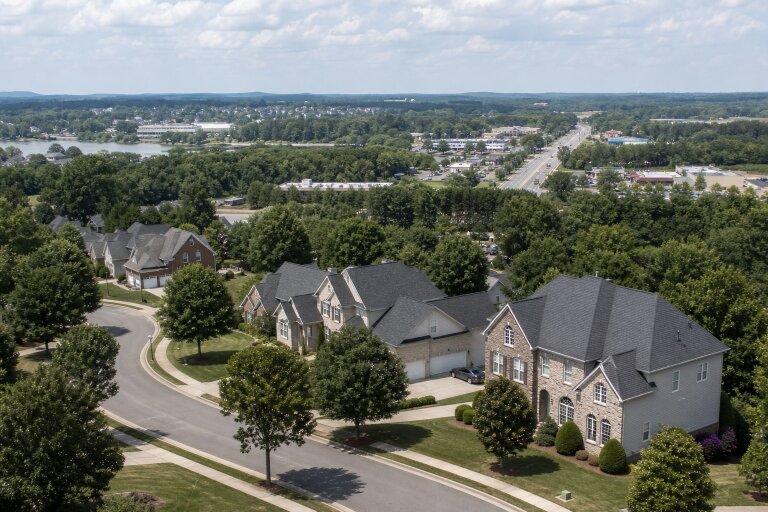
A beautiful kitchen, extra bedroom, or lake-area view can make a home stand out quickly. Still, the neighborhood often determines how enjoyable that home feels once the boxes are unpacked. Daily traffic, parking, road noise, service access, and future construction can matter just as much as the finishes inside.
Buyers comparing homes for sale in Mooresville, NC, can use Katie Doig’s property-search resource to explore local listings and neighborhood options. Katie Doig is a Lake Norman real estate professional with more than 15 years of experience serving Mooresville, The Point, The Peninsula, Davidson, Cornelius, Huntersville, Troutman, and Charlotte. Her familiarity with local home types and community differences can help buyers narrow their search, while independent visits, inspections, and public records remain essential.
Why the Neighborhood Matters as Much as the House
Many buyers spend most of a tour evaluating countertops, closets, flooring, and yard size. Those features are important, but they are often easier to change than a difficult commute or a busy road outside the bedroom window. A buyer may love a renovated home, only to discover that guests struggle to find parking, the school pickup line blocks the street every afternoon, or the drive to work feels much longer during rush hour.
Before getting attached to a property, consider what cannot easily be remodeled: location, road access, nearby land use, utility setup, and neighborhood rules. A practical review now can prevent an expensive surprise later.
Start With the Daily Routine
Test each neighborhood against your actual schedule, not an idealized weekend version. Drive the likely routes to work, school, childcare, medical care, grocery stores, and recreation. Visit once during the morning rush, again in the late afternoon, and after dark. Notice whether turns are difficult, intersections back up, sidewalks feel usable, and lighting supports the way you expect to live.
- The time for the commute in both directions.
- Check access to I-77 and the roads you will use most often.
- Look for school-bus stops, rail crossings, or bottleneck intersections.
- Consider how often you expect to run errands or host visitors.
- Pay attention to noise from traffic, businesses, recreation, or construction.
Review Traffic, Development, and Transportation Plans
Mooresville continues to change, so a quiet street today may not stay quiet if nearby land is planned for homes, retail, or new road connections. Check public meeting agendas, zoning applications, and planning information before making an offer.
Also, examine the immediate street. Is it a cut-through route? Are there sidewalks, bike lanes, or shoulders? Is the driveway near a sharp curve? These details affect convenience and resale appeal.
Confirm Schools and Property Services
Do not assume a home is assigned to a particular school simply because it is nearby. Confirm the exact address with the appropriate school district, then look beyond ratings. Transportation, academic programs, class offerings, after-school care, and enrollment policies may all affect a household’s decision.
Utilities deserve the same attention. Ask whether the home uses public water and sewer, a private well, septic, or a combination. Request recent utility bills, identify providers, and check internet options if remote work is important. Buyers considering additions, pools, or guest spaces should ask whether utility capacity, septic limitations, permits, or HOA approvals could affect those plans.
Evaluate Flood Risk, Drainage, and Land Conditions
Flood-zone status is only one part of the picture, but it is a smart place to start. Use the FEMA Flood Map Service Center to review official flood information for the exact address. Then evaluate the property in person. Look for standing water, drainage swales, steep slopes, retaining walls, damp crawl spaces, and signs of past water intrusion.
During inspection, ask about grading, gutters, downspouts, sump pumps, previous repairs, and insurance claims. Homes near Lake Norman, creeks, or low-lying areas may require added insurance planning. A qualified inspector and insurance professional can help explain the practical implications for the specific property.
Compare HOA Rules and the Full Monthly Cost
An HOA can provide useful amenities and maintenance, but buyers should review the documents before committing. Check current dues, transfer fees, reserve funding, special assessments, rental restrictions, and rules for fences, sheds, boats, trailers, pools, pets, and exterior changes. Meeting minutes may also reveal recurring concerns or upcoming projects.
Compare each home using the full cost of ownership, including:
- Mortgage principal and interest
- Property taxes and homeowners insurance
- Flood or supplemental insurance, when appropriate
- HOA dues and possible assessments
- Utilities, lawn care, and maintenance reserves
- Commuting, fuel, tolls, and vehicle costs
Visit More Than Once and Ask Better Questions
Plan at least three visits: a weekday morning, an afternoon rush period, and a weekend evening. Walk or drive the adjacent streets, observe property upkeep, and speak with nearby residents when appropriate and respectful. Ask the seller or listing representative about drainage history, common repairs, utility providers, HOA requirements, and planned development nearby.
Questions to Ask Before Making an Offer
- Which utilities serve the property, and what have recent bills been?
- Are there planned road, residential, or commercial projects nearby?
- Has the home experienced drainage, water, or flooding concerns?
- What HOA restrictions, fees, and assessments apply?
- Which schools serve this exact address?
- How does traffic change during peak travel times?
A Simple Neighborhood Scorecard
Rate each category from one to five after every visit. Include commute, noise level, school fit, access to daily services, utility confidence, outdoor amenities, HOA value, drainage comfort, resale potential, and overall lifestyle match. Add the scores, then write one short note about what felt best and what gave you pause. This simple process keeps a strong first impression from overshadowing practical concerns.
Choose for Everyday Life
The best Mooresville neighborhood is not necessarily the one with the newest finishes or the largest floor plan. It is the one that supports your budget, routine, priorities, and future plans. By reviewing traffic, utilities, schools, HOA obligations, land conditions, and development activity before making an offer, buyers can make a more confident decision that still feels right long after moving day.

How to Choose the Right Neighborhood in Santa Fe, New Mexico
Key Takeaways Table of Contents Why Neighborhood Fit Matters in Santa Fe Choosing a home in Santa Fe, New Mexico,…
What Homebuyers Should Check Before Choosing a Mooresville, NC Neighborhood in 2026
Key Takeaways A beautiful kitchen, extra bedroom, or lake-area view can make a home stand out quickly. Still, the neighborhood…